
© 2026
Why We Build on Refurbished Hardware
New hardware isn't the same as better. It's just –– newer.
Ask most infrastructure providers about sustainability and you'll hear about renewable energy contracts or carbon offset programs. Both are worth having. Neither addresses the hardware itself, where it came from, how long it lasts, and what happens to it when a hyperscaler decides it's time to upgrade. We build on decommissioned, enterprise-grade hardware wherever we can. Here's why that's a deliberate choice, not a cost-cutting shortcut.
The Hardware Nobody Talks About
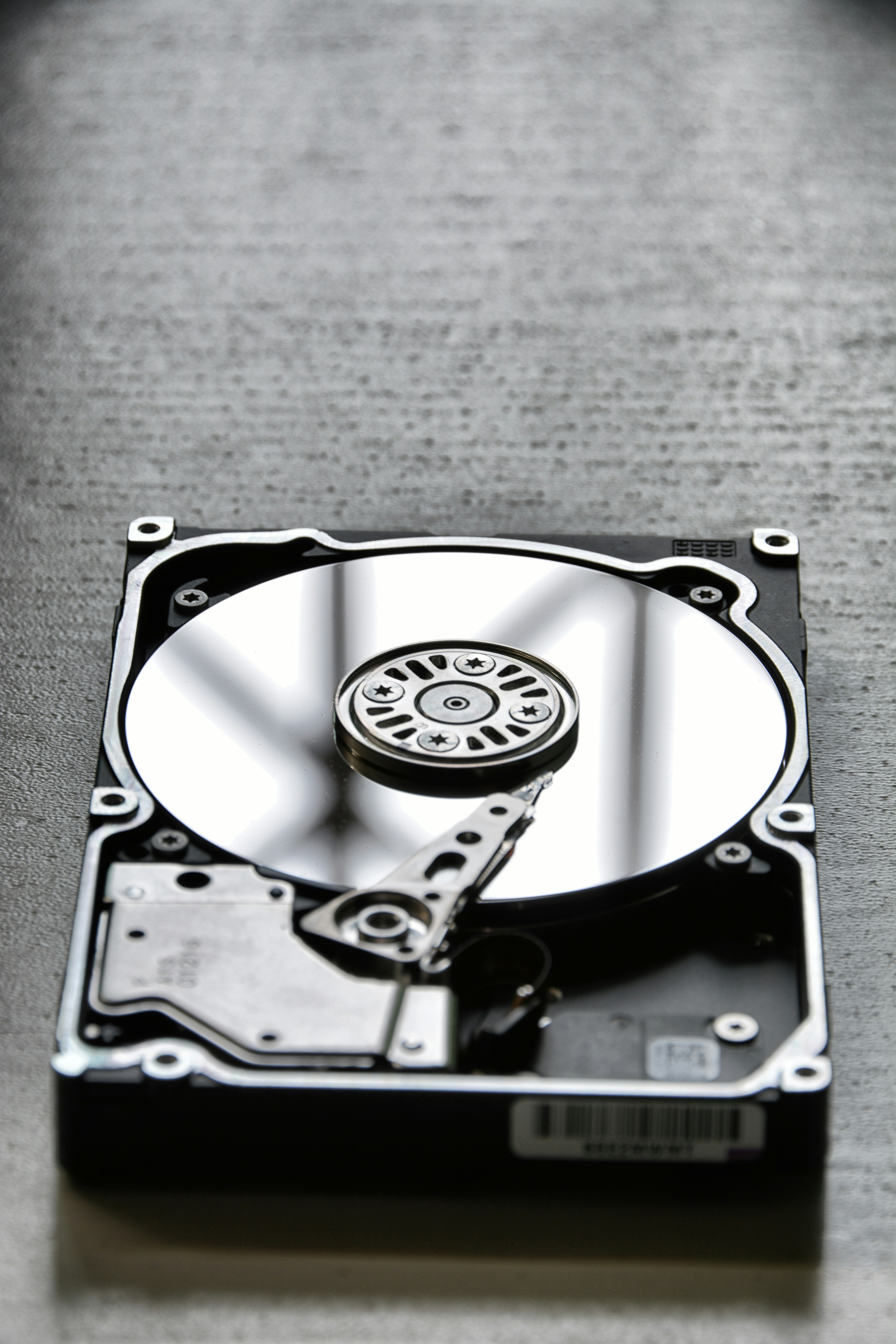
Every few years, major cloud providers refresh their hardware fleets at enormous scale, retiring equipment that is still fully functional, still enterprise-grade, and still has years of useful life left. Some of it gets resold through proper channels. A meaningful amount doesn't, and ends up as e-waste, one of the fastest-growing waste categories globally, despite being some of the most repairable and reusable equipment that exists.
The environmental conversation around infrastructure tends to focus entirely on energy, how much power a data centre draws while it's running. That's one part of the picture. The other part is what it took to manufacture the hardware in the first place, and what happens to it afterward.
Where Decommissioned Enterprise Hardware Comes From
When enterprise and hyperscale operators refresh their fleets, the retired hardware is often still within its rated operational life, it's being replaced on a schedule, not because it's failing. Sourced properly, that hardware goes through testing and certification before it's redeployed, and can reliably run production workloads for years afterward.
We don't publish specific hardware models or brands on this site, that's a deliberate choice, not an oversight, but the short version is that what we deploy is tested, enterprise-grade, and built to handle real workloads, not consumer-grade equipment repurposed for a job it wasn't designed for.
Why This Doesn't Mean Compromising Reliability
Reliability comes from how hardware is tested, monitored, and backed up, not from a shipping label that says "new." Our backup policy is the same 3-2-1 standard regardless of hardware age, three copies of your data, on two different kinds of storage, with one kept off-site. That doesn't change based on where the hardware came from.
The Landfill Math
Every server kept in productive use for an additional few years is one less unit added to a waste stream that's already growing faster than most countries can process responsibly. At the scale hyperscale refresh cycles operate, the volume of still-functional hardware being retired is substantial. Extending that hardware's working life is one of the more direct, measurable ways infrastructure decisions affect environmental impact, more direct than most offset programs, and considerably harder to greenwash.
Final Thoughts
Sustainability in infrastructure usually gets reduced to a conversation about electricity. The hardware itself, where it comes from and how long it stays useful, is a bigger and less discussed part of the picture. Building on decommissioned enterprise hardware isn't a compromise on quality. It's a decision to get more use out of equipment that already exists, instead of manufacturing more.
References
UNITAR / ITU, Global E-waste Monitor 2024: https://unitar.org/about/news-stories/press/global-e-waste-monitor-2024-electronic-waste-rising-five-times-faster-documented-e-waste-recycling
[02]
//READ MORE

Compliance Posture Transfer

The Hidden Cost of the Cloud
Why We Build on Refurbished Hardware

Singapore's PDPA and the EU's GDPR: Building Infrastructure That Satisfies Both

Why Sovereign Cloud Spend Is Projected to Reach $80B by 2026

What Actually Happens to Your Data When You Delete a File in Google Workspace

Microsoft 365's Default Retention Settings, and Why Most Admins Never Change Them

How to Actually Test a Backup Restore, Not Just Confirm One Exists

The Difference Between a Backup and a Disaster Recovery Plan

Self-Hosted vs. Managed SaaS: What You Actually Give Up in Each Direction